Corporate partnerships
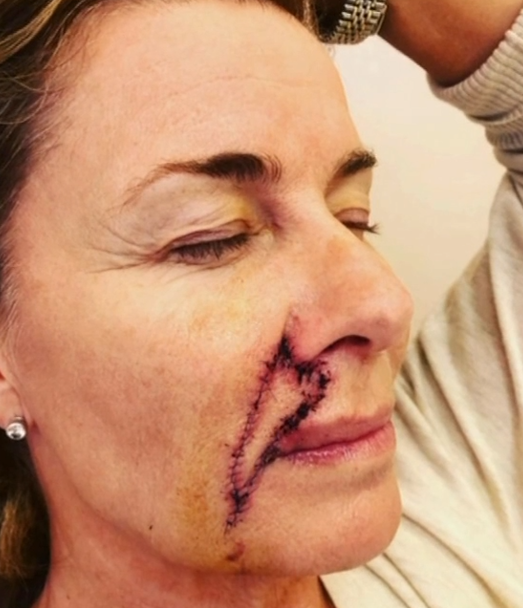
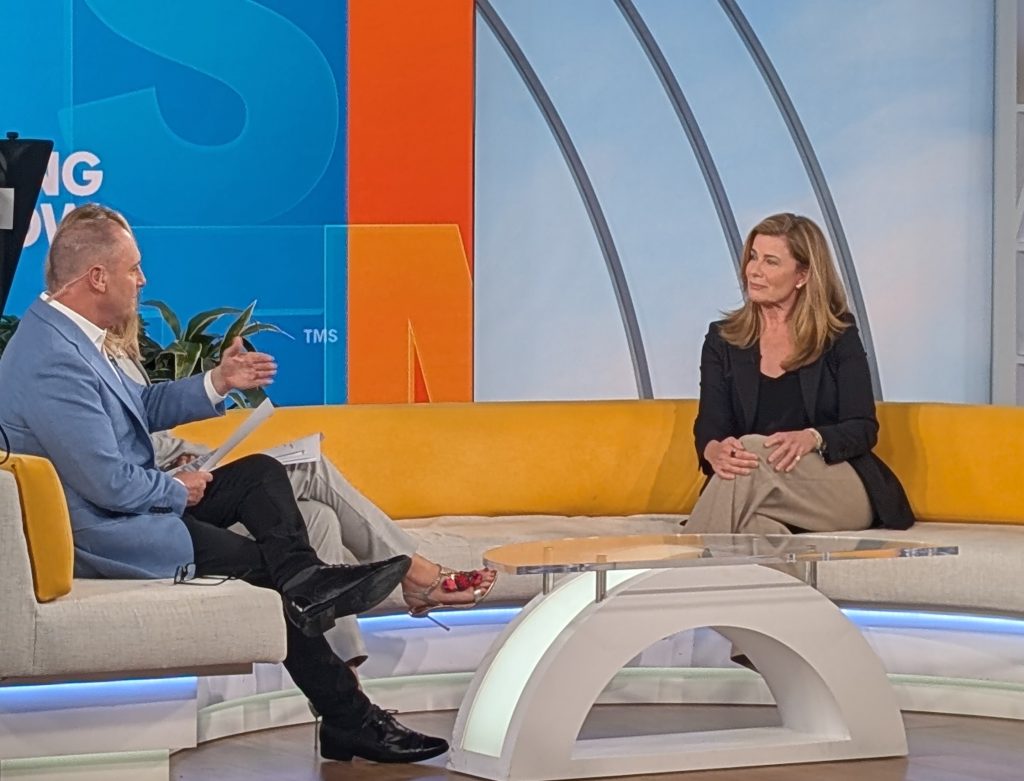
As Australia heads towards another summer, skin cancer survivor and television personality Deborah Hutton OAM is urging Australians to take sun protection and skin checks seriously.
Speaking on The Morning Show for the Australian Melanoma Research Foundation, Deborah shared her personal experience with skin cancer and warned Australians not to dismiss suspicious spots or assume that skin cancer is always something that can simply be removed and forgotten.
“We can’t self-diagnose. So it’s really important to make sure that you see someone, see a professional” -Deborah Hutton OAM
“We can’t self-diagnose”
Deborah has experienced significant skin cancers herself and has used her experience to raise awareness about the importance of prevention and early detection.
Her message is simple: don’t ignore changes to your skin and don’t try to diagnose them yourself.
As Deborah explained, some people assume that skin cancer can simply be cut out, frozen or treated with creams. But different types of skin cancer can behave very differently, and melanoma can be particularly serious if it is not detected and treated early.
“Melanoma is the most aggressive skin cancer,” Deborah told The Morning Show, urging people to seek professional advice if they notice something concerning.
Prevention starts with sun protection
As we move into spring and summer, increased time outdoors means increased opportunities for exposure to ultraviolet (UV) radiation.
Protecting your skin should be part of your everyday routine when UV levels are high. That means:
- Slip on protective clothing
- Slop on SPF 50 or SPF 50+ sunscreen
- Slap on a broad-brimmed hat
- Seek shade
- Slide on sunglasses
- Check the UV Index before heading outdoors
Know your skin
Sun protection is only part of the picture. Knowing your skin and being alert to changes can help identify potential skin cancers early.
If you notice a new or changing spot, a lesion that looks different from others, or anything that concerns you, speak to a qualified healthcare professional. As Deborah emphasises, you cannot reliably diagnose skin cancer yourself.
Her own experience is a powerful reminder that early detection matters and that protecting your skin today can help reduce your future risk.
As we launch AMRF’s Sun Safe Spring campaign, we’re encouraging Australians to make sun protection a habit this spring and summer.
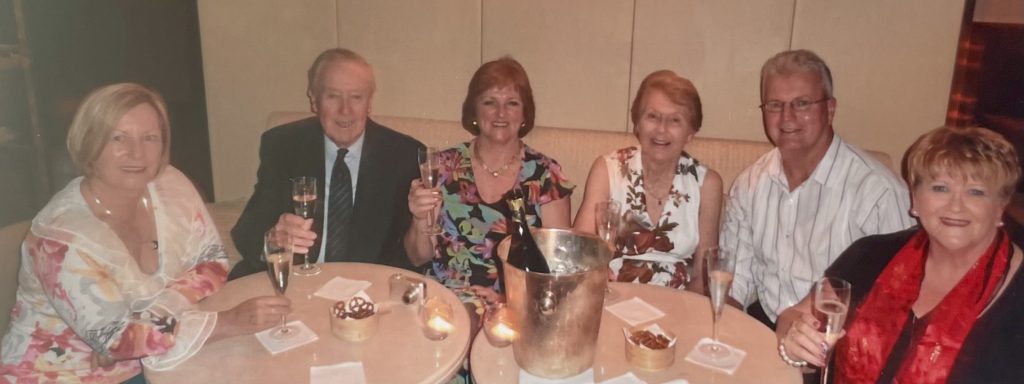
A Legacy of Helping Others: Remembering Maureen Ellen James
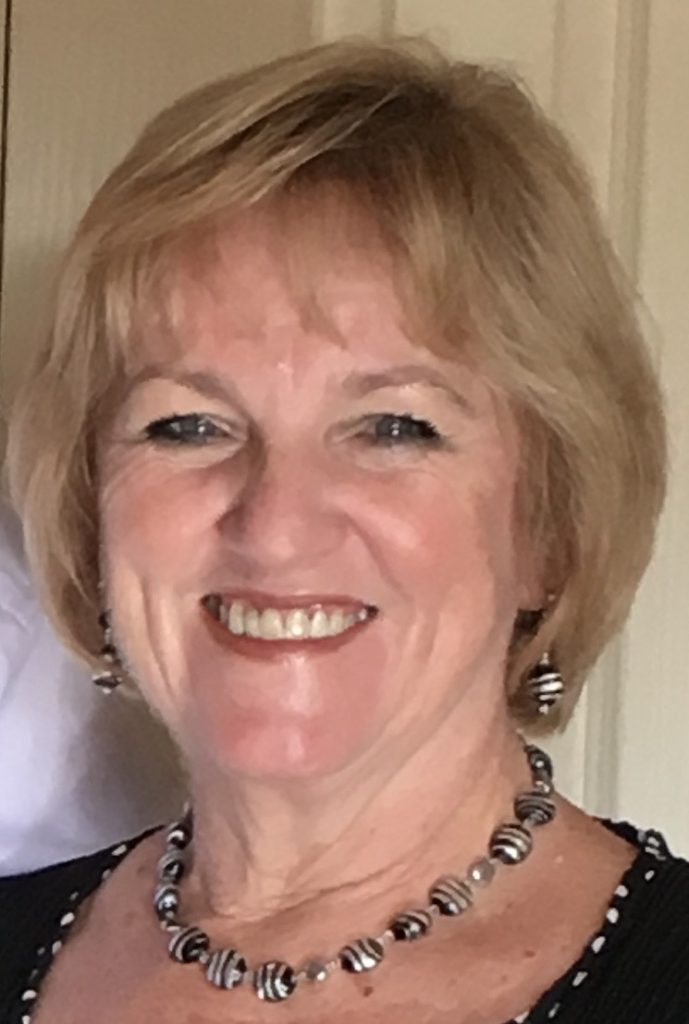
The Australian Melanoma Research Foundation is honoured to recognise the extraordinary legacy of Maureen Ellen James (1951–2025), whose generous gift will help advance melanoma research and improve outcomes for Australians affected by melanoma for years to come.
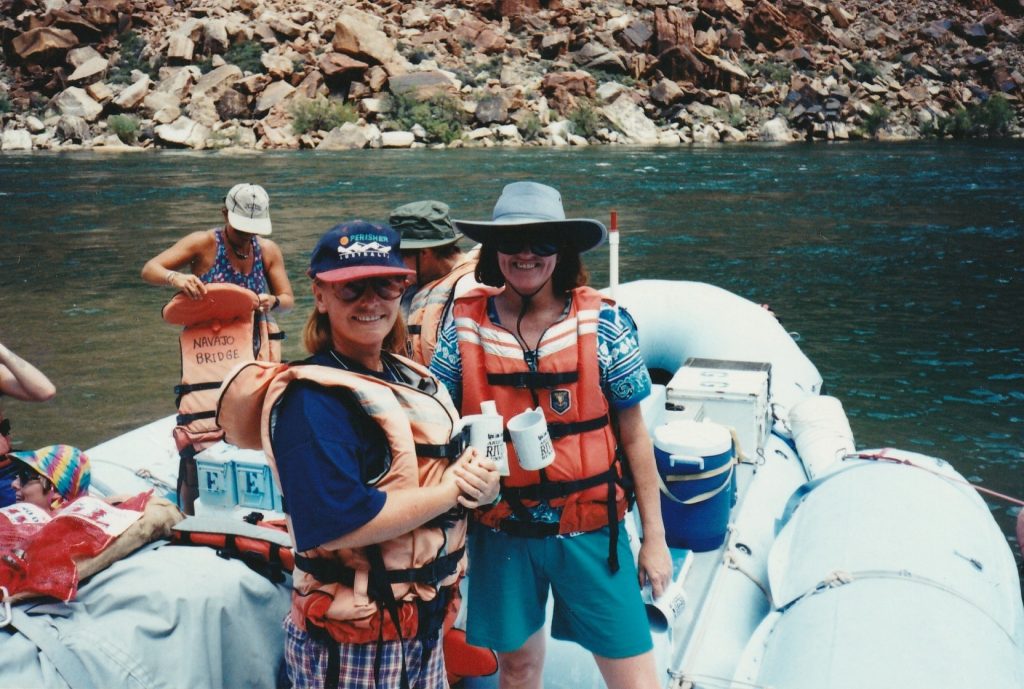
Maureen was many things throughout her life: a businesswoman, major projects manager, mentor, traveller, golfer, tenpin bowler, and even a Grand Canyon whitewater rafter. But according to those who knew her best, she was above all else a devoted friend and a person who cared deeply about helping others.
Her lifelong friend, Rhonda Murray, remembers meeting Maureen in a Honeywell office in Waterloo, Sydney, during the 1970s. Alongside their friend Marilyn, the three women formed a friendship that would span more than five decades and take them on adventures around the world.
“The altruism of Maureen and family will significantly uplift the lives of hundreds of people who will benefit directly or indirectly from Maureen’s bequests.” – Rhonda Murray, lifetime friend of Maureen.
Maureen grew up in a family that valued kindness, generosity and compassion. Alongside her parents, Peter and Joan, she learned the importance of supporting those facing challenges in life and extending a helping hand to people in need. Those values remained with her throughout her life.
Following Maureen’s passing in late 2025, the Australian Melanoma Research Foundation was humbled to learn that she had chosen to leave a significant gift through her estate to support melanoma research.
It was one of several charitable bequests she made, reflecting a lifelong commitment to creating positive change and helping others. As Rhonda wrote in Maureen’s eulogy:
“The altruism of Maureen and family will significantly uplift the lives of hundreds of people who will benefit directly or indirectly from Maureen’s bequests.”
Through the establishment of the Maureen Ellen James Memorial Award, her generosity will continue to make a difference long into the future, supporting emerging researchers, and contributing to initiatives that improve outcomes for patients and families facing this devastating disease.
We extend our heartfelt gratitude to Rhonda Murray for sharing Maureen’s story, and to the James family for their extraordinary generosity.
A simple phrase from Maureen’s eulogy perhaps says it best:
“To help others.”
Recipients of the Maureen Ellen James Memorial Award
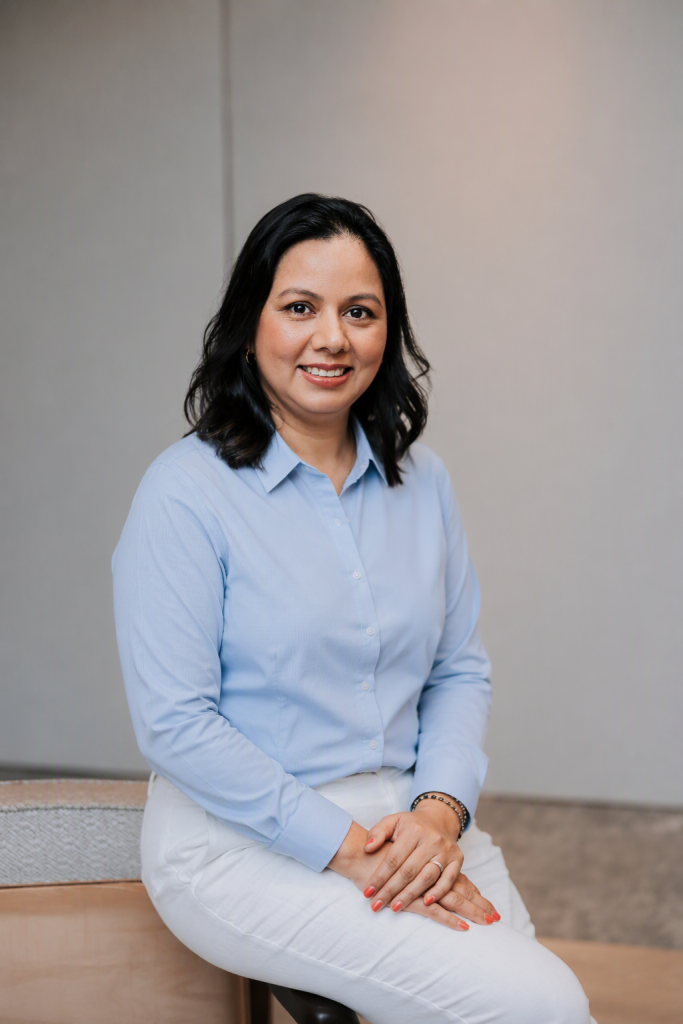
Suzanah Boyd
Macquarie University
“I am honoured and grateful to the Australian Melanoma Research Foundation for supporting this research. Through this project, we aim to develop a simple blood test that can identify early-stage melanoma patients at greatest risk of their cancer returning, helping to ensure that patients receive the right treatment at the right time.” – Suzanah Boyd
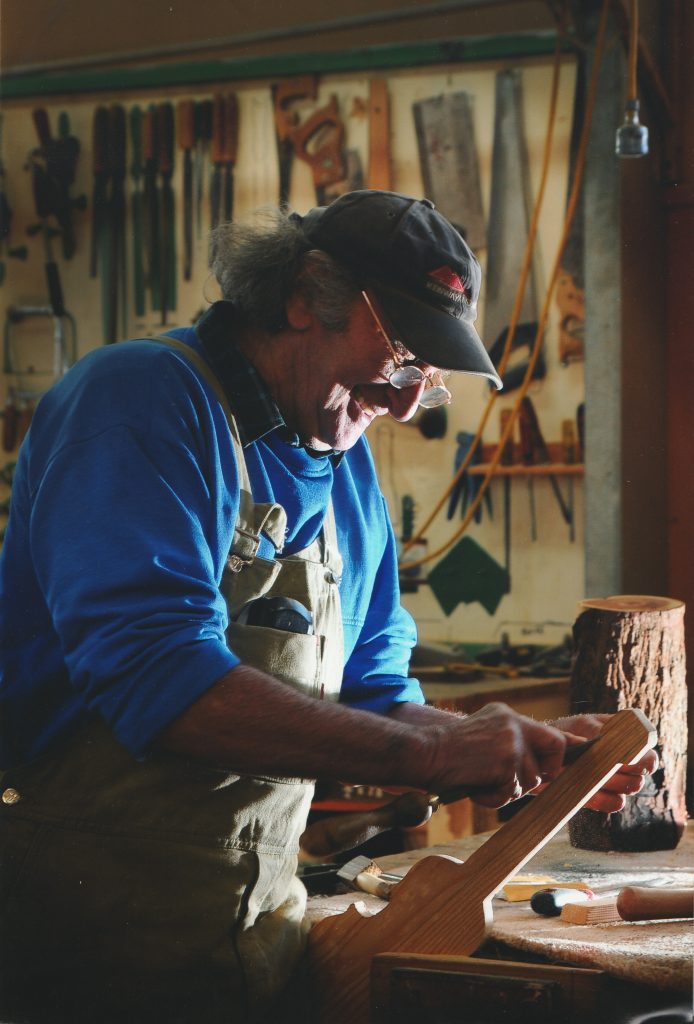
Honouring a Giving Spirit: The John Walter Holland Memorial Award
The Australian Melanoma Research Foundation (AMRF) is proud to announce the 2026 John Walter Holland Memorial Award, created through a generous bequest from the late John Walter Holland.
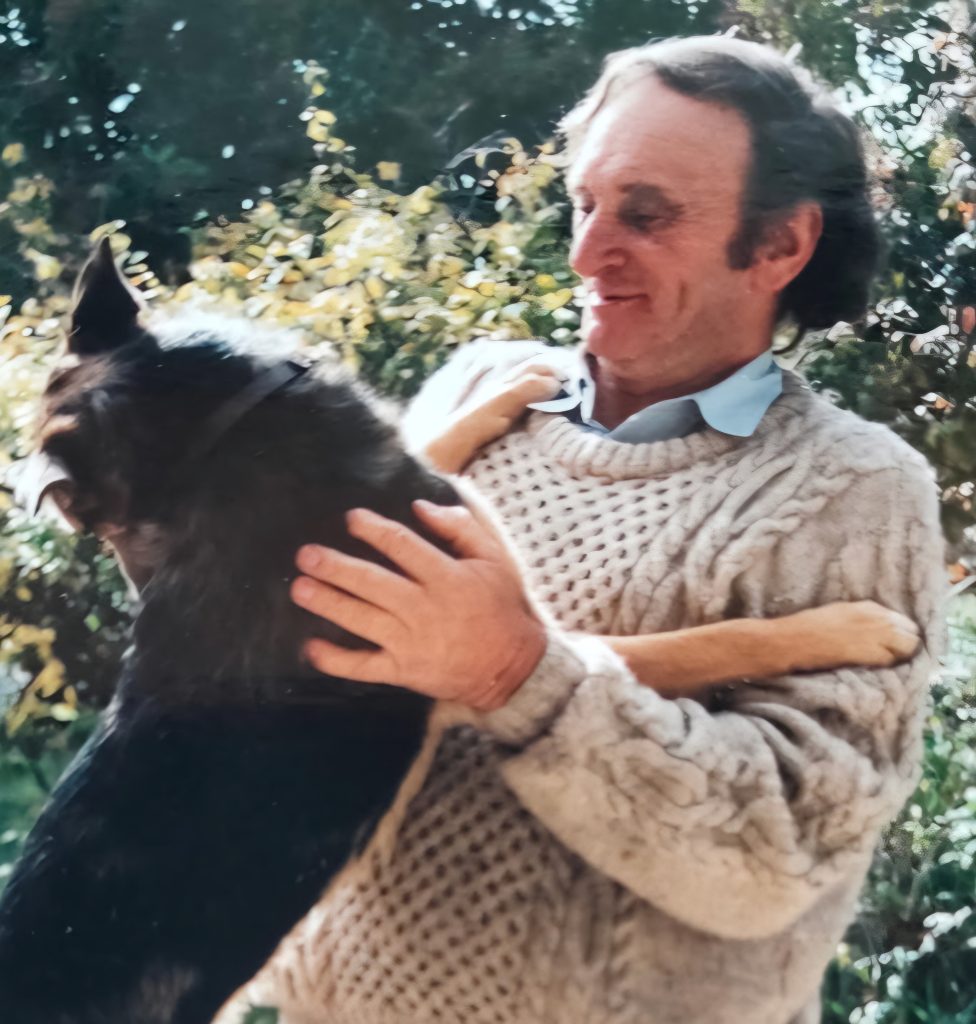
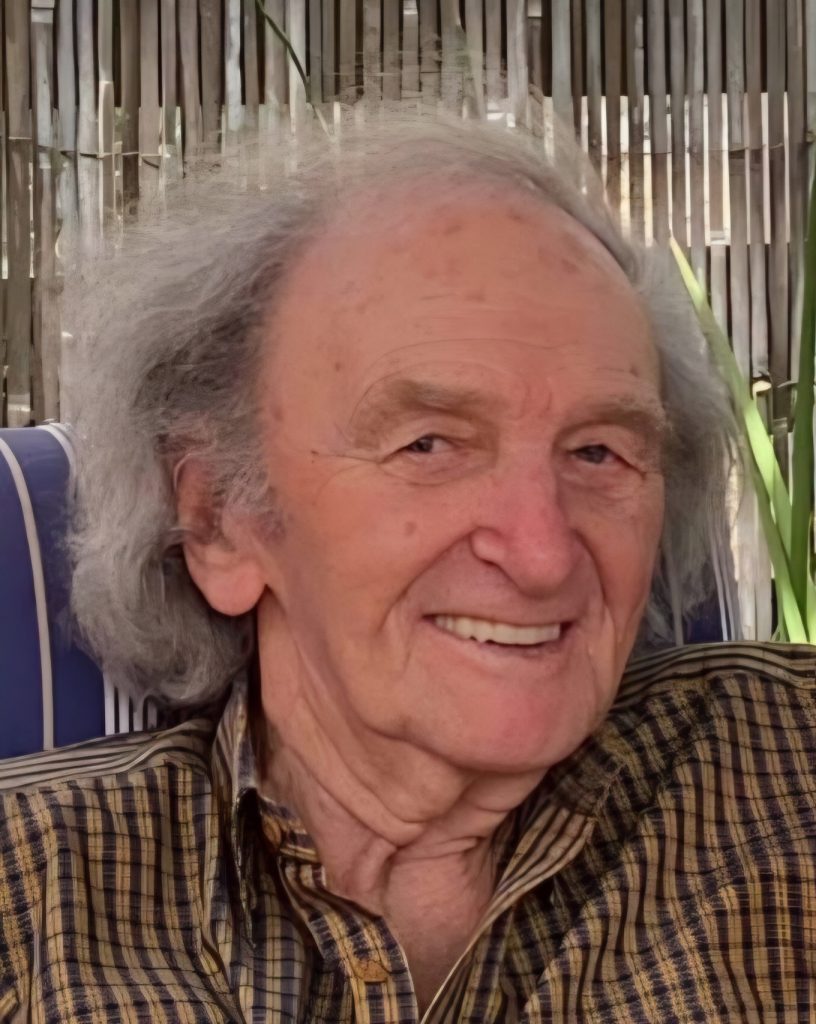
John passed away shortly after celebrating his 90th birthday, leaving behind a remarkable legacy of service, and community contribution. A carpenter and farmer by trade, John dedicated much of his life to supporting others through his involvement with the YMCA, the Salvation Army and the Men’s Shed woodworking program. He was widely known and respected for his generosity and “give everything to others” approach to life.
John’s connection to melanoma research was deeply personal. He lived with leukaemia and several members of his family were affected by skin cancer. Notably, his nephew Graeme Holland lost his life to melanoma at a young age.
“John dedicated much of his life to supporting others. He was widely known and respected for his generosity and ‘give everything to others’ approach to life.”
Graeme Holland was the founder of the Bendigo March for Melanoma and a passionate advocate for melanoma awareness and research. John and Graeme shared a close bond, and John wished to honour Graeme’s legacy and his family through a gift that could help create a better future for others.
To celebrate John’s life and generosity, AMRF has established the John Walter Holland Memorial Award which will support promising researchers pursuing innovative approaches to melanoma research.
The inaugural recipient of the award is Ms Rachael Stone, a PhD candidate at the Centre for Cancer Biology in Adelaide. Rachael’s research focuses on improving the effectiveness of immunotherapy for melanoma patients. While anti-PD-1 immunotherapy has transformed outcomes for many people with advanced melanoma, some patients do not respond to treatment or eventually develop resistance.
Her project aims to better understand a molecule called CD15s, which appears to help cancer-fighting immune cells reach and attack melanoma tumours. Previous research has shown that patients with higher levels of CD15s on their immune cells are more likely to respond successfully to immunotherapy and experience improved survival outcomes.
Through the John Walter Holland Memorial Award, Rachael will investigate how CD15s is regulated and whether factors such as immune cell interactions and the gut microbiome can influence its expression. The ultimate goal is to identify new ways to increase patient responses to immunotherapy and improve outcomes for people living with melanoma. Read more about Rachael’s Research >>
AMRF is deeply grateful for John Walter Holland’s generosity and foresight. His gift will continue to make a difference for years to come, helping researchers like Rachael pursue discoveries that have the potential to save lives.
We extend our heartfelt thanks to John’s family for sharing his story and helping ensure that his legacy is honoured through the establishment of the John Walter Holland Memorial Award. Their reflections on John paint a picture of a man whose kindness touched many people and whose legacy will continue through the research this award supports.
Support Melanoma Research Through the People First Community Lottery
We’re proud to be partnering with the People First Community Lottery (formerly People’s Choice Community Lottery) in 2026. Every ticket you purchase helps fund vital melanoma research focused on better treatments, earlier detection and prevention.
Since its inception in 1984, the People First Community Lottery has raised more than $22 million for community organisations, helping charities like the Australian Melanoma Research Foundation create lasting impact.
For more than 20 years, AMRF has been investing in Australia’s brightest melanoma researchers, supporting the next generation of scientific leaders as they work towards the next breakthrough in melanoma research.
Every $2 ticket sold directly supports this important work, helping fund innovative research that has the potential to improve survival rates, detect melanoma earlier and ultimately prevent the disease.
Together, we can work towards a future where fewer Australians are diagnosed with advanced melanoma and more lives are saved.
Thank you for your support, and good luck
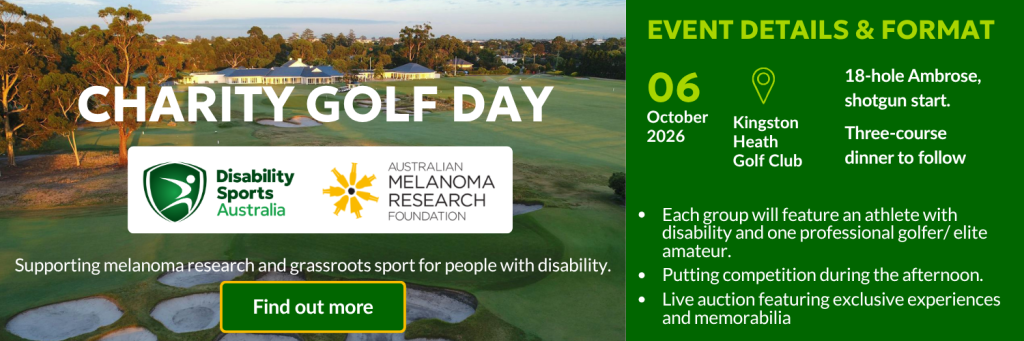
Disability Sports Australia and Australian Melanoma Research Foundation to host inaugural Charity Golf Day at Kingston Heath
Disability Sports Australia (DSA) and the Australian Melanoma Research Foundation (AMRF) will host their inaugural Charity Golf Day at Kingston Heath Golf Club, bringing together leaders across sport, business and community to support two areas where access to sport directly impacts health, wellbeing and participation.
Set at one of Australia’s premier golf courses and host of the 2028 Presidents Cup, the event will unite corporate partners, athletes with disability, and professional and elite amateur golfers for a full-day experience designed to generate both connection and measurable impact.
Funds raised will support Australian melanoma research and strengthen grassroots sport opportunities for people with disability, with a focus on increasing access to local participation and improving how sport works for people at every level.
Participants will take part in 18 holes in Ambrose format, alongside professional or elite amateur golfers, followed by a post-round cocktail hour and three-course dinner.
The program will also feature a live auction of exclusive experiences and memorabilia, as well as opportunities for guests to engage directly with athletes and leaders shaping sport and health outcomes nationally.
Disability Sports Australia Chief Executive Officer Ayden Shaw said the event reflects a shared commitment to improving participation and long-term outcomes through sport.
“Participation doesn’t happen by chance. It requires local opportunities, capability across sport, and systems that make it clear how people can get involved,”Shaw said.
This day brings together partners who understand that access to sport is directly connected to health, wellbeing and community, and are prepared to invest in making that a reality”
Australian Melanoma Research Foundation Executive Chair, Dr Wayne Harvey, said the partnership highlights the importance of prevention, research and active lifestyles working together.
“Although survival rates are improving due to advances in research and more effective treatments, melanoma remains one of the most common cancers in Australia. Continued investment in research, early detection, and community awareness is therefore essential,” Dr Harvey said.
“Sport plays a critical role in how Australians stay active and connected. This event brings that into focus, linking participation with long-term health outcomes while supporting research that saves lives.”
The Charity Golf Day marks the first time both organisations have come together to deliver a premium fundraising event at Kingston Heath, creating a platform for long-term partnership and impact across both sectors.
Corporate team packages are now available, with all packages including a tax-deductible donation component.
For more information or to secure a team:
https://events.humanitix.com/dsa-amrf-charity-golf-day-2026
ENDS
Media contacts:
Ayden Shaw
Chief Executive Officer
Disability Sports Australia
E: ayden@sports.org.au
Isobel Moore
Senior Fundraising and Philanthropy Manager
Australian Melanoma Research Foundation
E: isobel@melanomaresearch.com.au
About Disability Sports Australia:
Disability Sports Australia (DSA) is a national non-profit, registered charity, and National Sporting Organisation for people with disability, dedicated to increasing participation in sport.
For more than 65 years, DSA and its predecessor organisations have helped shape disability sport across Australia. Today DSA works with its members, sporting organisations, governments, clubs and communities to increase participation opportunities for people with disability and strengthen how sport is delivered nationally.
About the Australian Melanoma Research Foundation
The Australian Melanoma Research Foundation is a not-for-profit empowering the next generation of researchers with awards that fuel innovation and advance melanoma discovery across Australia. Our priorities are better treatments, early detection and prevention of melanoma.
For 20 years, the Australian Melanoma Research Foundation has been funding innovative Australian research with the potential for high impact, near-term clinical application for melanoma prevention, diagnosis and treatment.
Research is working: survival rates for advanced melanoma have improved from just 11% in 2011 to over 55% in 2024.
AMRF Joins Research Australia to Strengthen Australia’s Melanoma Research Sector
The Australian Melanoma Research Foundation is pleased to announce we have joined Research Australia, the national peak body advancing health and medical research and accelerating innovation.
Research Australia represents and advocates on behalf of the entire research pipeline, from discovery through to translation and commercialisation and have made significant impact advocating for smarter investment, health innovation and equity, and showcasing the needs and opportunities for people who work in the sector.
For AMRF, this partnership represents an important opportunity to strengthen our impact in the melanoma research community.
By working alongside Australia’s leading health and medical research organisations, we hope to contribute to national conversations about research policy, advocate for greater investment in melanoma research, and ensure the voices of researchers, patients and the broader melanoma community are represented. Together, we can help create an environment where research can thrive and discoveries reach the people who need them most.
You can learn more about Research Australia on their website here.