

2025 Research Awards
The Australian Melanoma Research Foundation is proud to support the next generation of researchers driving breakthroughs in melanoma prevention, diagnosis and treatment.
Our 2025 Research Award program showcases innovative, high-impact projects led by emerging Australian scientists, each tackling critical challenges across the melanoma journey, from improving early detection to advancing personalised therapies.
With melanoma rates continuing to rise in Australia and more than 200,000 diagnoses expected by 2030, investing in bold new ideas has never been more important. These awards are made possible by the generosity of our community, helping turn promising research into real-world outcomes that save lives.
Early Career Scientist 2025
Dr Priyanka Rana
Macquarie University
Early Career Scientist 2025
Dr Jordan Conway
Melanoma Institute Australia
Early Career Scientist 2025
Post Graduate Scholar 2025
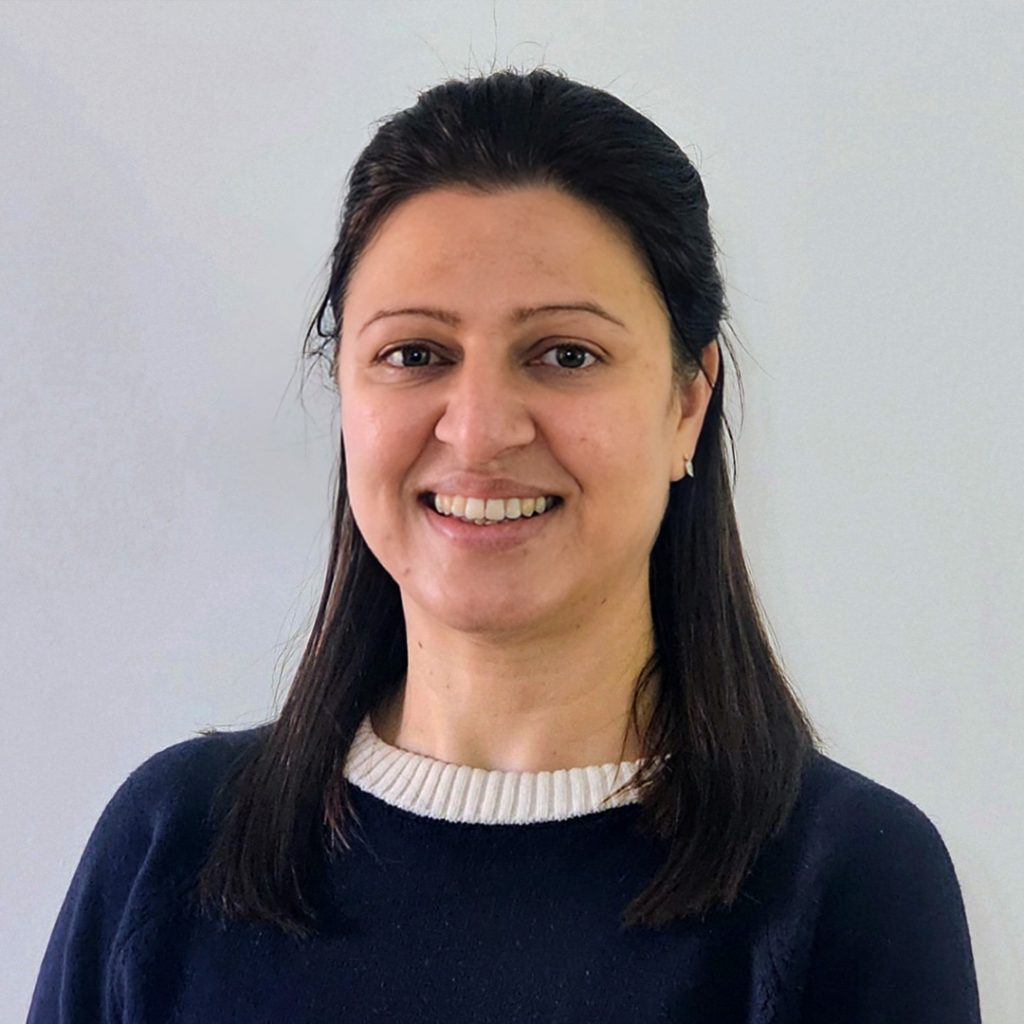
Dr Priyanka Rana
Macquarie University
Immunotherapy has benefited many melanoma patients, but not everyone responds to treatment, and some experience severe side effects. This project aims to develop a multimodal AI model trained on both advanced tissue imaging and clinical data to better guide treatment decisions. Using multiplex immunofluorescence imaging, which detects multiple biomarkers in a single tissue sample, the model will capture a detailed picture of the tumour microenvironment, a key factor in treatment response. Adding clinical data will further enhance the model’s ability to maximise therapeutic benefits while minimising risks
“I’m deeply grateful to the Australian Melanoma Research Foundation for their support, which enables me to contribute to the advancement of personalised cancer care and make a meaningful difference in the lives of those affected by melanoma.”
Updates to Priyanka's Research
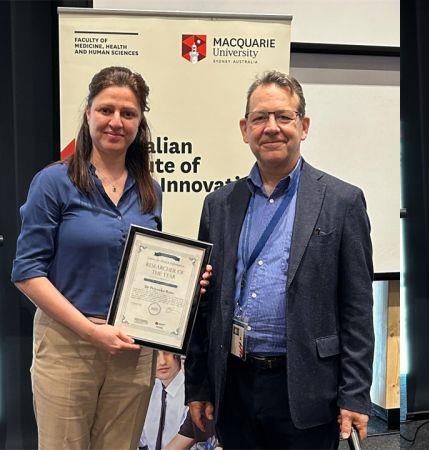
We congratulate Dr Priyanka Rana, one of our 2025 AMRF research grant recipients, for her award of “Researcher of the Year” at Macquarie Uni’s Institute of Health Innovation, Centre for Health Informatics. Read post on LinkedIn
Priyanka was also selected to present at the 𝗜𝗻𝘁𝗲𝗿𝗻𝗮𝘁𝗶𝗼𝗻𝗮𝗹 𝗦𝘆𝗺𝗽𝗼𝘀𝗶𝘂𝗺 𝗼𝗻 𝗕𝗶𝗼𝗺𝗲𝗱𝗶𝗰𝗮𝗹 𝗜𝗺𝗮𝗴𝗶𝗻𝗴 (𝗜𝗦𝗕𝗜), April 2026 in 𝗟𝗼𝗻𝗱𝗼𝗻. Read post on LinkedIn.
Dr Jordan Conway
Melanoma Institute Australia
While immunotherapy has transformed the treatment of advanced melanoma, patients with liver metastases often do not respond as well as others. This project aims to understand why the immune system struggles to fight melanoma in patients with liver mets. By analysing blood samples from patients receiving different immunotherapy combinations, we will uncover how liver metastases affect systemic immune responses. We’ll also explore how well immunotherapy drugs bind to immune cells in these patients, helping us identify potential reasons for treatment failure and develop better ways to monitor and personalise therapy for these high-risk patients.
“I’m incredibly grateful to the Australian Melanoma Research Foundation for supporting this project. This grant enables me to explore critical mechanisms of immune resistance in patients with liver metastases and will generate valuable data to support my future research into personalised treatment strategies. It’s an important step in building my independent research program focused on improving outcomes for patients with advanced melanoma.”
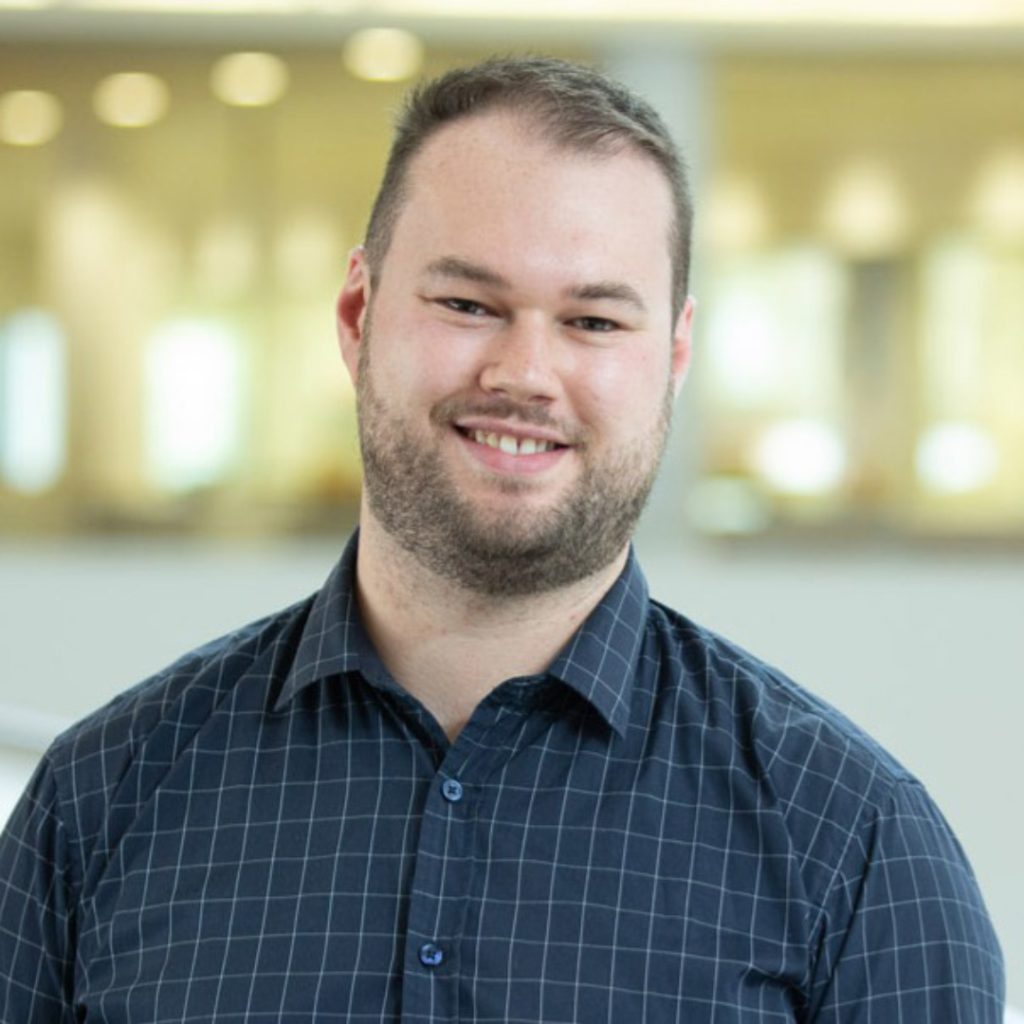
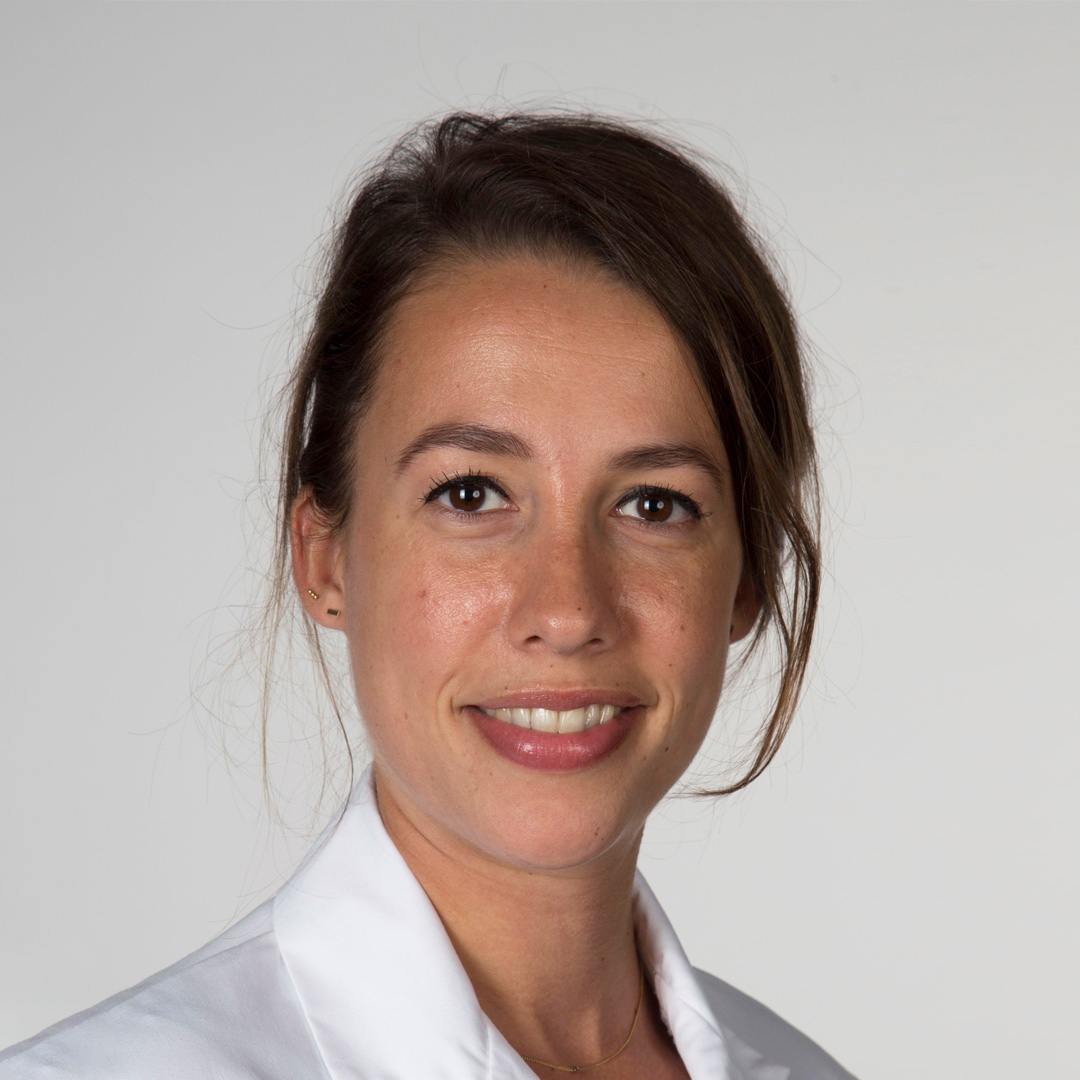
Dr Mary-Ann El Sharouni
Sydney Diagnostic Centre, Royal Prince Alfred Hospital, NSW
My research aims to refine surgical precision for lentigo melanoma by employing a rapid imaging technology, ex vivo confocal microscopy (EVCM), alongside novel fluorescent markers, to ensure complete surgical removal.
“This grant is instrumental to my research, providing the essential funding to execute a groundbreaking pilot study on real-time melanoma margin assessment. It will enable the validation of a novel surgical adjunct, ex vivo confocal microscopy (EVCM), combined with melanoma-specific fluorescent agents, addressing a critical unmet need in current lentigo melanoma treatment by facilitating precise intraoperative decision-making and reducing recurrence rates.”
Nathalie Nataren
University of South Australia, SA
My research analyses gene expression images of advanced melanoma tumours using computational methods to understand the biological reasons why some patients do not respond to immune therapy treatment.
“Receiving this PhD research provides critical support for my research time, enabling sustained and in depth focus on analysing Xenium spatial data in advanced melanoma. It also contributes to research dissemination and computing resources in the aim of understanding immune checkpoint inhibitor response in melanoma.”