Corporate partnerships

We’ve partnered with Play for Purpose, which has raised over $10 million for good causes.

A minimum of 50% of each ticket sold will help support research towards better treatments, early detection and prevention of melanoma.

Play For Purpose is an online charity raffle, conducted on our behalf by the 50-50 Foundation. The raffle is entirely not-for-profit and made possible by The Lott.

The Play for Purpose Charity Raffle makes a difference, not a profit. A minimum of 50% of your ticket will directly support Australian Melanoma Research Foundation, the other 50% from your ticket is used to fund prizes and help run the raffle.

Standing Beside Patients, Marching for Progress

For medical oncologists, the impact of melanoma is not only measured in treatments and clinical outcomes, but in the lives of patients and families they walk alongside every day. In this interview, Adelaide-based oncologist Dr Rachel Roberts-Thomson reflects on joining the Adelaide Melanoma March for the very first time alongside colleagues, patients, friends, and family as part of Team Cancer Care Adelaide.

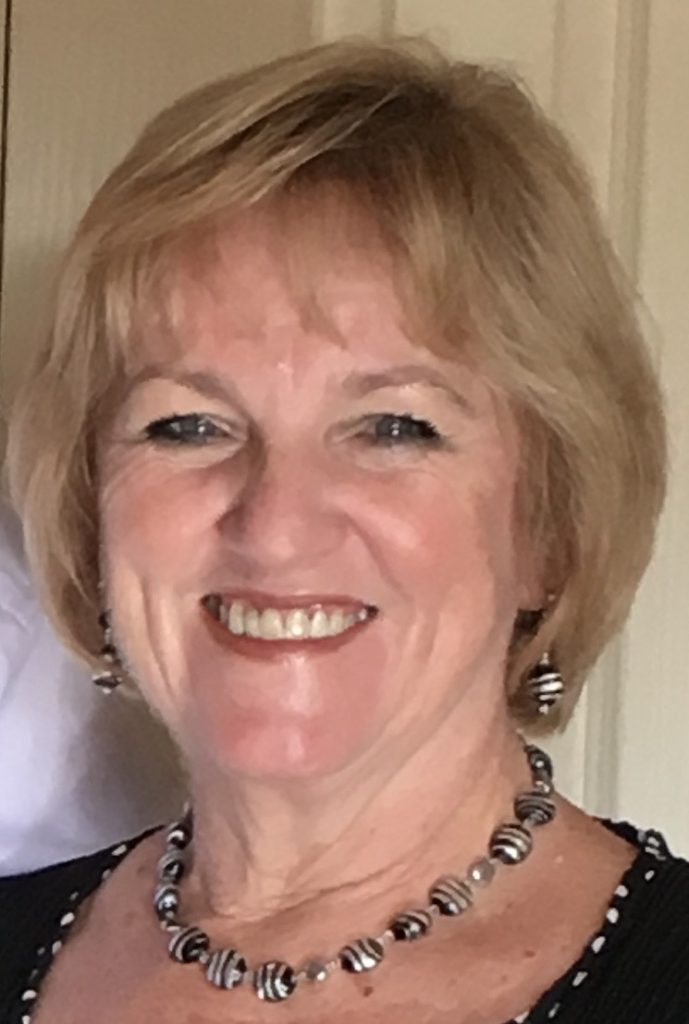
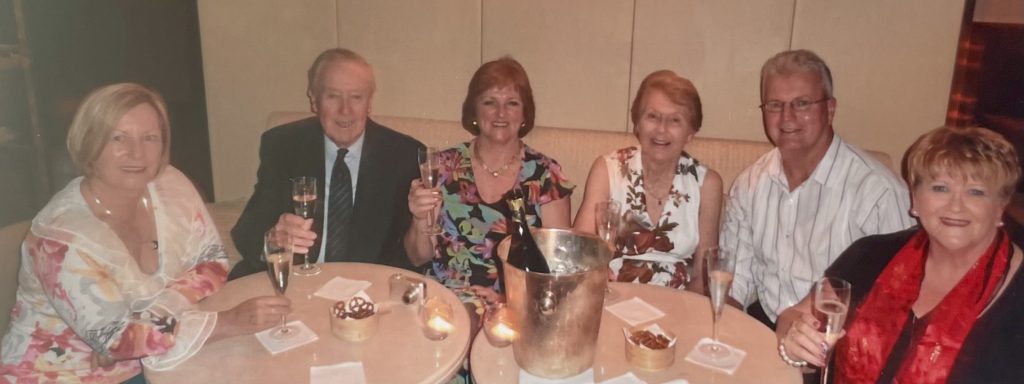
Team Cancer Care Adelaide

As a medical oncologist working closely with melanoma patients, what does participating in the Adelaide Melanoma March personally mean to you?

This was my first Adelaide Melanoma March although I have been aware of this important community event over the years. I was a little uncertain as to whether this was the right thing to participate in as a treating doctor but I am so glad that I did because the community coming together felt very powerful and positive and it was a very enjoyable day that felt like a lot of wonderful forward steps were being achieved.

“There needs to be continued momentum to look at why we are still losing people to this diagnosis and focus on innovative strategies and obtaining access to these.”

Your team “Cancer Care Adelaide” has been one of the leading fundraising teams in Adelaide. What inspired your team to get involved so passionately? 

It really didn’t take much for the Team to agree to come together for the March. The Team on the day consisted of Clinical trial co-ordinators who support the work on Melanoma clinical trials, one of Adelaide’s wonderful Melanoma nurse specialists, a Medical Oncology colleague, a valuable administrative staff member, and our families.

Fundraising is important to be able to improve on outcomes in Australia with regards to all things melanoma whether it be prevention strategies, early detection and awareness strategies or treatment strategies. All of these important areas need funding and supporting.

From your perspective, how far has melanoma research and treatment come in recent years?  What gives you hope for the future of melanoma care?

There has been progress over my career which has been immense. It has been exciting to witness the treatments improve and evolve. Nonetheless there needs to be continued momentum to look at why we are still losing people to this diagnosis and focus on innovative strategies and obtaining access to these. What gives me hope is knowing that there are very dedicated people in Australia working in laboratories and clinics and in advocacy roles towards a coveted zero deaths from Melanoma future.

“I believe that if we look out for each other by reminding regularly our friends, families and communities to wear sunscreen and drive sun-safe practices this is such a valuable step.”

How can everyday Australians help make a meaningful difference in the fight against melanoma?

I believe that if we look out for each other by reminding our friends, families and communities regularly to wear sunscreen and drive sun-safe practices this is such a valuable step. Putting up that sunshade and encouraging everyone to group under it may seem a small thing to do but does make a difference on that day and for those around you.

What is one thing you wish people knew about melanoma?

I would like people to know how common melanoma and other skin cancers actually are in Australia. Melanoma can take people by surprise and so good lifestyle practices over time will help protect you against this way too common and often preventable cancer.

Team Cancer Care Adelaide

Looking ahead, what are your hopes for the future of melanoma research in Australia? 

For me this question is broad but I hope that we can identify why some people respond so well to the treatments we have and why others don’t and so we can hone in on features of this to be able to manipulate the tumour or host environment to improve on responses. I would also like to be able to better predict side effects that can occur to treatments and find ways of navigating this space with these predictors.

On the day itself, what was your favourite part of the Melanoma March experience?

I really enjoyed seeing how dedicated and committed those who attended were and how this event brought people together; people with their own personal experience, family members and those of their treating and supporting communities. It really was a lovely morning with great energy and togetherness.

“Fundraising is important to be able to improve on outcomes in Australia with regards to all things melanoma whether it be prevention strategies, early detection and awareness strategies or treatment strategies.”

On the Frontlines of Skin Cancer: Harriet’s Mission to Educate and Save Lives

From boardrooms to remote worksites, Skin Cancer Nurse Harriet Clayton is taking melanoma awareness directly to Australians, one skin check at a time. Travelling across the country, Harriet combines clinical expertise with a passion for education, helping people understand their risk and catch potential skin cancers early. In this interview, she shares what it’s really like on the frontlines of skin cancer care, the misconceptions that still persist, and why ongoing research and awareness are more important than ever.
Harriet conducting skin checks at a worksite.

Can you tell us about your role as a skin cancer nurse and what a typical day looks like? What drew you to specialise in melanoma and skin cancer care?

When working in the field a typical day is arriving at a workplace (anywhere in Australia from law firms to offshore rigs) setting up my equipment, putting up posters and flyers about skin cancer, then seeing up to 28 participants over the day.

I complete full body skin checks (except under underwear) and ensure education is given too. If anything of concern is found the participant is given photos of the lesion and a referral.

“People believe if an area hasn’t ever been exposed to the sun, it’s safe from skin cancer. Unfortunately, this is not true, UV damage accumulates in our bodies and melanoma can occur literally anywhere!”

What’s something about your work that people might not expect?

I get to travel all around Australia, I’ve worked in every state now except the NT!

Are there any patient stories or moments that have stayed with you?

I had a PT two years ago at a rural orchid, lovely early 50’s lady with a spot on her lip, I noticed it as soon as we started chatting, she mentioned the GP had told her is was scaring from a cold sore, unfortunately when I looked closer it was obvious it was something more than scaring, I gave her a referral with dermascopic images of the area. I saw her a year later and she gave me a huge hug with tears in her eyes, the lesion was in fact an invasive BCC and she had needed extensive surgery and radiation therapy on the area.

What are the biggest misconceptions people have about melanoma? What warning signs should people never ignore when checking their skin?

People believe if an area hasn’t ever been exposed to the sun, it’s safe from skin cancer. Unfortunately, this is not true, UV damage accumulates in our bodies and melanoma can occur literally anywhere! (Including soles of feet, genitals, mouth, and backs of eyes)

“I choose to partner with the Australian Melanoma Research Foundation as they align with my passion, with getting the word out there on Melanoma and have a big impact on education- which is an area I am most passionate about.”

How has melanoma treatment changed in recent years from your perspective?

Treatment for melanoma has come leaps and bounds in the last few years with the use of immunotherapies, this targeted type of treatment is saving lives and is often less aggressive on the body than traditional chemotherapy.

Why do you choose to partner with the Australian Melanoma Research Foundation?

I choose to partner with the Australian Melanoma Research Foundation as they align with my passion, with getting the word out there on Melanoma and have a big impact on education- which is an area I am most passionate about.

What’s one thing you wish every Australian understood about sun safety?

A tan is your body telling you it’s damaged, it’s not an indicator of good health!

Harriet on an oil rig to conduct skin checks.

Meet the Researcher: Personalising Melanoma Treatment through AI with Dr Priyanka Rana

With a PhD in computer science and a focus on biomedical image analysis, Dr Priyanka Rana is bringing a data-driven approach to melanoma research at Macquarie University. Her work, in part funded by the Australian Melanoma Research Foundation, uses AI to identify patterns in melanoma tissue samples that can predict a patient’s response to immunotherapy; an advance that could significantly improve clinical decision-making. As this technology progresses, it has the potential to reshape how melanoma is treated, moving toward more personalised and effective care.

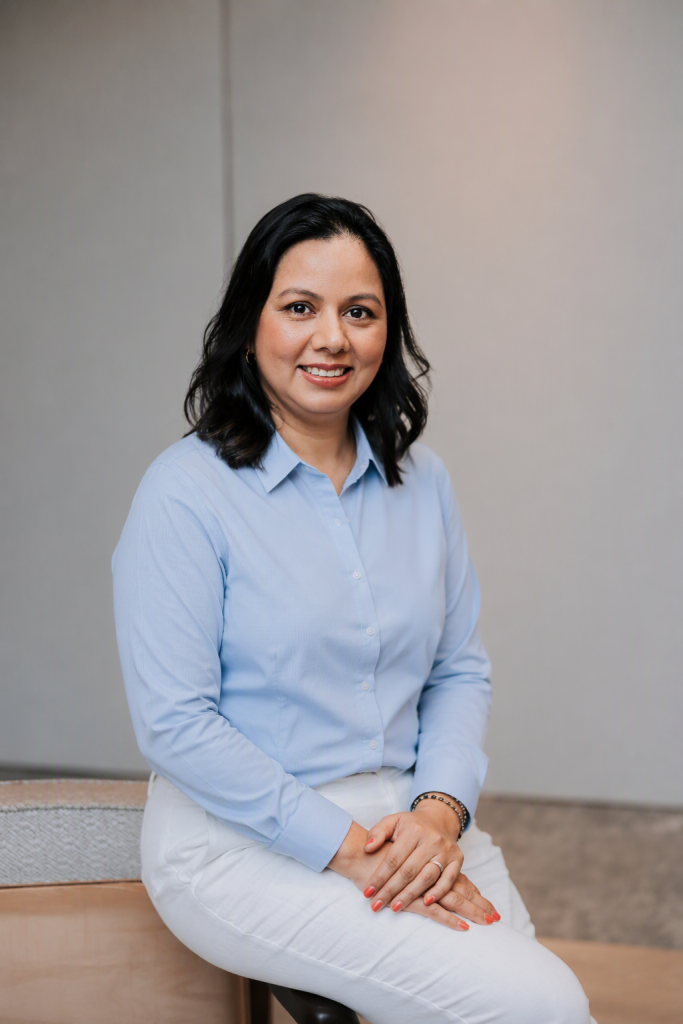
Dr Priyanka Rana
Dr Priyanka Rana at the International Symposium on Biomedical Imaging in London where she presented on one aspect of her research.

Can you tell us about your background and what led you to work at the intersection of artificial intelligence and melanoma research?

I’m a computer scientist by training, I completed my PhD in Computer Science from UNSW in 2023. My doctoral research focused on developing AI methods to analyse microscopic pathological images for a range of biomedical tasks, including cancer cell classification and protein localisation in subcellular environments, among others.

When I began my postdoctoral fellowship at the Centre for Health Informatics, Australian Institute of Health Innovation, Macquarie University, I was presented with an opportunity to work with pathological images sourced from the Melanoma Institute Australia. The project centred on predicting immunotherapy response in melanoma patients, a pursuit, I find both scientifically compelling and clinically meaningful, and it has remained the focus of my work for the past three years.

“The ultimate vision is a future where no patient undergoes a therapy that was never going to work for them, and treatment becomes truly personalised, sparing patients and their families unnecessary trauma, emotional burden, and financial cost.”

For those unfamiliar, how would you explain your AI-powered imaging research in simple terms?

In simple terms, we use AI to predict whether a patient will respond to immunotherapy before they undergo treatment. When tissue samples are stained with specific proteins, they reveal distinct visual patterns that differ between patients who respond well to immunotherapy and those who don’t. We train an AI model to recognise these patterns from pathological images, so that when presented with a new patient’s tissue sample, it can predict whether immunotherapy is likely to be effective.

This matters because up to ~60% of patients fail to respond to treatment. Early identification of non-responders is therefore critical to redirect them toward more effective alternative therapies, sparing them from debilitating side effects and unnecessary personal and financial burden.

How could this technology change the experience of someone diagnosed with melanoma?

Today, treatment decisions often involve trial and error, a patient may begin immunotherapy, endure weeks or months of debilitating side effects, only to find the treatment isn’t working. That experience can be physically exhausting, emotionally distressing, and financially costly.

This technology offers the ability to analyse a patient’s tissue sample at diagnosis and predict, using AI, whether immunotherapy is likely to benefit them. If identified early as a likely non-responder, their oncologist can immediately explore alternative therapies better suited to their biology, sparing them unnecessary suffering and delays in receiving effective treatment. For likely responders, it provides clinicians with greater confidence in their treatment plan and gives patients reassurance that the therapy they are undergoing is the right one for them.

“The path of research is rarely easy, long hours, setbacks, and moments of self-doubt, but when you recognise that your work could spare a patient and their family from unnecessary suffering, financial burden, and emotional trauma, every difficulty becomes worthwhile.”

Dr Priyanka Rana accepting the award of “Researcher of the Year, 2025” at the Australian Institute of Health Innovation.

Ultimately, this technology has the potential to make the treatment journey more personalised, more efficient, and far less burdensome, moving melanoma care toward precision medicine that puts the individual patient at the centre.

What does it mean to you personally to know your research could benefit someone’s treatment or outcome?

Knowing our research could genuinely benefit someone is the ultimate driving force. The path of research is rarely easy, long hours, setbacks, and moments of self-doubt, but when you recognise that your work could spare a patient and their family from unnecessary suffering, financial burden, and emotional trauma, every difficulty becomes worthwhile. There is no greater fulfilment. It is what gives this work its deepest purpose.

How close are we to seeing AI tools like yours used routinely in hospitals or clinics? Could this approach be applied to other cancers beyond melanoma?

We are making significant progress, but important steps remain before tools like this become routine in clinical settings, large-scale clinical validation, regulatory approval, and integration into existing workflows. The field is moving rapidly, however, and I am genuinely optimistic that AI-assisted pathology will become a meaningful part of clinical decision-making within the next five years.

What we are developing is built around the unique biology of melanoma and the detailed visual information captured by multiplex immunofluorescence imaging. While the approach may offer broader lessons for cancer care, our immediate focus is on delivering a reliable, clinician-ready tool where the need is greatest and our evidence base is strongest.

What has been the most rewarding part of your work so far? What keeps you going on the hard days?

Seeing our first framework published in the IEEE Journal of Biomedical and Health Informatics, a leading peer-reviewed journal, was genuinely rewarding. After rigorous review cycles, seeing that work validated and made openly accessible felt like a considerable milestone. It was the first tangible step toward our broader goal, and confirmation that we are on the right path.

On the hard days, I step back and remind myself of the purpose behind this work, what we are trying to achieve, and how meaningful it could be for patients and their families. That perspective never fails to re-centre me.

Looking ahead, what impact do you hope your research will have in the next 5-10 years?

In the next 5 to 10 years, I hope to see this research move from the lab into real clinical settings, where AI-assisted pathology becomes a routine part of treatment decision-making for melanoma patients. The immediate goal is to have a validated, clinically deployable tool that oncologists can trust and use with confidence.

The ultimate vision is a future where no patient undergoes a therapy that was never going to work for them, and treatment becomes truly personalised, sparing patients and their families unnecessary trauma, emotional burden, and financial cost.

“On the hard days, I step back and remind myself of the purpose behind this work, what we are trying to achieve, and how meaningful it could be for patients and their families. That perspective never fails to re-centre me.”

Running Through the Unknown: Fiona’s Journey from Diagnosis to Remission

What began as an ordinary training run quickly became something far more confronting for Australian Melanoma Research Foundation Ambassador, Fiona Kilby. In this interview, Fiona reflects on the moment her body signalled that something was wrong, just days before a life-shattering diagnosis of stage 4 metastatic melanoma. From emergency surgery and aggressive treatment to finding strength in community and rediscovering her stride, her story traces a path not unlike the trails she loves: unpredictable, challenging, and ultimately, profoundly transformative.

Fiona and her coach on the day something didn't feel right.

Can you take us back to that training run when you first noticed something wasn’t right: what was going through your mind at the time?

I think the look in my face in the photo my coach (and friend) took on the day, says it all! You can tell that something isn’t quite right. I was feeling unsettled and really unsure about what was happening. I remember that I had a telehealth appointment booked and another running friend that was with us, who had been a paramedic for more than 15 years, was encouraging me to see someone in person. They were both quite concerned about me.

What was it like to go from being a healthy, active runner to receiving a stage 4 metastatic melanoma diagnosis?

It was odd. And it was a shock, obviously. But really, it just didn’t sink in. I wasn’t able to fully grasp what this meant. My family and extended family were (are) all very healthy and there had never been a cancer diagnosis in the family.

“One of the reasons I enjoy trail running so much is the variety of landscapes you can cover….My recovery was similar. Every day was a little bit different.”

An advantage, if you can call it that, was that it all happened very quickly. The day of that social training run I ended up going to emergency, and a week later I was having my first craniotomy (the temporary removal of a piece of the skull to access the brain tissue) which involved a resection, a surgical procedure to remove a portion of the brain, usually to treat tumours. This was at the end of July 2020. By the end of August 2020, I was having my second surgery to remove more tumours because of the aggressive nature of the cancer.

I felt blessed and happy that I could still be physically active and I recall several friends visiting on regular days to “take me for a walk”.

What does “remission” look like for you in your day-to-day life now?

I’ve been in “remission” for a few years now and I am enjoying life and do all the things I was doing prior to the diagnosis in 2020. Even during my two years of immunotherapy, I continued to work and run.

A side-effect of the immunotherapy was developing drug-induced hypophysitis, also called hypopituitarism. My pituitary gland was affected and no longer sends signals to my adrenal glands to produce cortisol. Cortisol is a hormone that regulates metabolism, immune response, blood pressure, and sleep-wake cycles. It’s often called the “stress hormone”, as it increases energy availability during stressful events. Without the production of cortisol, I fatigue easily and require lifelong hormone replacement therapy (daily oral hydrocortisone).

You’ve compared your recovery to a trail run with ups and downs—can you expand on that metaphor?

One of the reasons I enjoy trail running so much is the variety of landscapes you can cover. For example, in a single run you can run on smooth gravel fire trail, across dirt and grass, through water, up inclines, and down rocky single trail. It’s always changing.

My recovery was similar. Every day was a little bit different. Some days were smooth and comfortable, while other days were rough and rocky. Some days I felt terrible and wished it would end. Then a few days later I would feel well and it felt like I could take on the world!

Being significantly unwell, gives you considerable perspective. All those days in the past when you didn’t feel very well. That’s so very different to when your body is “sick”.

Has this experience changed how you see yourself: as an athlete, a mother, or a person?

Yes and no. I sometimes have to remind myself what happened six years ago.

Fiona trail running with her Elevate family.

“If it was not for organisations like the Australian Melanoma Research Foundation, I may not be able to say I am a melanoma survivor.”

I think because I recovered very well, my life hasn’t significantly changed. I’m still running and exercising, I regularly walk with my kids and dogs, I work (not fulltime but more than I did prior to my diagnosis).

I consider myself very lucky and privileged to have survived melanoma, as I know there are a lot of people who haven’t had the experience I have. 

You’ve described your trail running community as a “second family”—what role did they play during this time? Are you still active in this community now?

My trail running group, Elevate, was extremely supportive during the period I was diagnosed, having treatment and in recovery. My coach visited me weekly and walked with me – allowing me to talk about how I was feeling and filling me in on the happenings in our running group. She compiled messages of support from runners and sent them to me, including videos and songs. And when I was ready to return to running, I joined a group learning to run, and close running friends joined me for shorter distances and gradually longer distances and adventures, which I’m still enjoying today.

Elevate is truly a special community – supportive, encouraging, fun, real – and I love being a part of it.

“I want more Australians to live happy, healthy lives in harmony with our beautiful sun. To do that we need to encourage Australians to take simple steps to take care of their skin and to reduce their risk of getting melanomas.”

Fiona and her daughter.

Why do you choose to support the Australian Melanoma Research Foundation and be an ambassador for prevention and early detection of melanoma?

If it was not for organisations like the Australian Melanoma Research Foundation, I may not be able to say I am a melanoma survivor. The Foundation plays a vital role in supporting innovative research into melanoma for better patient outcomes, including better treatments, earlier detection and ultimately, the prevention of melanoma.

Not all melanomas will present the same. To this day, my primary site has never been found. By the time I presented to emergency, the cancer had spread to my brain. My symptoms weren’t typical of melanoma. Perhaps if I had been more vigilant in having my skin checked regularly, there may have been the possibility of detecting the melanoma earlier. It may have been something on my skin that changed that I hadn’t noticed. 

What are your hopes for the future of melanoma awareness and prevention?

I want more Australians to live happy, healthy lives in harmony with our beautiful sun. To do that we need to encourage Australians to take simple steps to take care of their skin and to reduce their risk of getting melanomas.

My hope is that in the future, our clever researchers and scientists have discovered more efficient tools to be able to detect melanoma and treat it. I’d like to see the rates of

  • diagnosis drop – currently 1 in 17 Australians will be diagnosed with melanoma
  • death drop – currently 1 person dies from melanoma in Australia every 6 hours
  • detection increase – currently 90% of melanoma can be treated if detected early.

Maybe, in my lifetime, a cure for melanoma will be discovered… Until then, the Australian Melanoma Research Foundation continues to play a very important role in Australian society.

Move with Purpose: Sapphire Active partners with Australian Melanoma Research Foundation

Raised under the intense Australian sun, where beach days and outdoor sport were a way of life, Sapphire Active Founder, Ashleigh Ross, found that melanoma awareness wasn’t always front of mind. What started as a personal reflection on a preventable risk has evolved into a brand grounded in purpose, empowering women to show up for themselves while actively supporting melanoma research. Through Sapphire Active, fitness meets intention, proving that even small organisations can contribute to something bigger.

Sapphire Active Founder, Ashleigh Ross, in the outback heat which inspired her to partner with the Australian Melanoma Research Foundation.

What inspired you personally to support melanoma research? Do you have a personal connection to melanoma?

Growing up in Western Australia, sun exposure was just part of life with outdoor sport, beach weekends, working outside. It wasn’t something anyone thought twice about. And honestly, tanning was a culture in itself. Being tan was seen as healthy, attractive, something to chase. Nobody was talking about the damage underneath. Melanoma awareness is deeply personal to me because of that upbringing, and because I know how preventable so many cases are with the right education and early detection. When I was building Sapphire and thinking about the causes I wanted to stand behind, skin cancer research was an obvious one. Australia has one of the highest rates of melanoma in the world, and I want Sapphire to be part of changing that. 

“I think there’s a real opportunity for brands in the wellness and activewear space to use their platform to educate, not just sell. That’s what this partnership means to me.”

What led you to start Sapphire Active, and what does the brand stand for?

I started Sapphire while working full time as an electrician. I’ve been training since I was 15, and I wanted to build something that reflected the way I actually live, working hard, staying disciplined, showing up. But more than that, I wanted to create a brand that genuinely encourages women to show up for themselves. To back themselves. To chase the best version of who they’re becoming, in the gym, in their careers, in their lives. Sapphire is built around the belief that when a woman feels good in what she’s wearing, she moves differently. She carries herself differently. Our tagline is ‘Move with purpose’ and that’s not just about fitness. It’s about living intentionally and knowing your actions matter. From day one, giving back has been structural to the brand, not an afterthought. 

Why do you think melanoma awareness is especially important in Australia? 

Because we live in one of the sunniest countries on earth and we still underestimate the risk. Melanoma is one of the most common cancers in Australia, and it disproportionately affects young people which is exactly the demographic Sapphire speaks to. I think there’s a real opportunity for brands in the wellness and activewear space to use their platform to educate, not just sell. That’s what this partnership means to me. 

Ashleigh working as an electrician.

“Being tan was seen as healthy, attractive, something to chase. Nobody was talking about the damage underneath.”

How can small actions, like purchasing from purpose-driven brands, create real change?

Because scale compounds. One purchase is one contribution. But when a brand builds giving back into its DNA when every sale, every awareness post, every conversation moves something forward it adds up. Sapphire customers aren’t just buying leggings. They’re part of something. And I think people are hungry for that. They want to know their money is doing more than sitting in someone’s pocket.

Check out Sapphire Active’s products here.

Scroll to Top

Privacy Policy

Australian Melanoma Research Foundation (AMRF) respects and is committed to protecting the privacy of the people whose personal information it collects. We collect personal information about individuals who are employed by us, our donors, our volunteers, other supporters, allied associations, consultants and service providers.

Information we collect

Whenever we collect personal information, we will identify ourselves as AMRF and ensure people are aware of why we are collecting information and how we plan to use it.

The type of personal information AMRF usually collects and holds includes names, addresses, telephone numbers, email addresses, donation date, reason for donation, merchandise orders and other information such as health related information pertaining to AMRF research and program delivery. This information may be collected in person, via our website on the secure payment gateway, as well as other sources.

When people visit our website, or download information from it, the following information is recorded by Google Analytics:

  • Their network location and IP address
  • The date and time of their visit, pages visited, and time spent on each page
  • Referring site details (ie the site and page they came from to arrive at this site)
  • Type of web browser they used
  • Type of operating system they used
  • JavaScript support, screen resolution, and screen colour processing ability

This information is only used for statistical and website development purposes. We make limited use of cookies on our website. We use cookies to improve the functionality of our website, and to remember user preferences when people return.

In the event where an individual shares unsolicited personal information that AMRF would not have collected for the purposes outlined above that information will be destroyed or de-identified as soon as is practicable.

How we use and disclose personal information

We collect and use stakeholder’s personal information to carry out the functions and activities of AMRF and to comply with our legal obligations, to maintain and update our records and to help us manage and provide our services.

We may also use information to ask for support and to keep people informed about the ways in which our donors and supporters help us to make a difference to raise funds for research, awareness and early detection programs.  People have the right to opt out of any communications from AMRF.  This will not stop them receiving receipts and other transactional communications as required by law.

We may disclose personal information to third parties who assist us to perform functions on our behalf (such as commercial mail preparation services, this information is permanently deleted by the provider upon completion of the service and confirmed in writing of such).  These external service providers are under a duty to maintain the privacy and security of your information in line with this Privacy Policy and to use your personal information only for the purpose for which it is disclosed.

AMRF does not use any government related identifiers, such as Medicare numbers or tax file numbers, of an individual as our own identifier.

Marketing and communications

We may use people’s information within AMRF only in connection with marketing and fundraising campaigns. We may provide marketing communications to stakeholders on an ongoing basis by telephone, electronic messages (eg. email), online (including websites and mobile apps) and other means, unless they opt out or we are subject to legal restrictions. These may include communications relating to AMRF and our programs, campaign and promotional messages, event invitations, fundraising opportunities and newsletters.

AMRF also sends transactional communications which include but are not limited to: Donation & Tax Receipts, forgotten password e-mails, event sign up confirmation and confirmations from Web forms.

To opt-out of receiving AMRF marketing communications people can:

  • Select the “unsubscribe” option in one of the marketing communications that they receive from us.
  • Send an email to: admin@melanomaresearch.com.au
  • Call us on 0419 822 969
  • Send a written request to: PO Box 574, Kent Town DC SA 5071

Security of personal information

AMRF regards the security of personal information as a priority and takes a number of precautions to protect people’s personal information from loss, misuse, unauthorised access, modification or disclosure. Specific security precautions are in place for processing online payments through payment gateway providers Stripe and PayPal which include the use of encrypted links, dedicated private connections and Secure Sockets Layer (SSL) encryption. However, the Internet is not a secure environment and although all care is taken, we cannot guarantee the security of information people provide to us via electronic means such as email.

If people become aware of any inaccuracy in the personal information, we hold about themselves, they are encouraged to contact AMRF so we can update any personal information we hold.

Anonymity

Where it is lawful and practicable, we will allow individuals to deal with us on an anonymous basis. For example, if we receive a telephone enquiry, we will not require that the enquirer gives us their name, although depending on the nature of the enquiry, we may not be able to answer it unless they do.

We can also accept gifts and other forms of support anonymously. However, provisions contained in taxation legislation require AMRF to collect the name of the donor if the donor requires a tax-deductible receipt.

Image copyright

AMRF’s reputation and goodwill is extremely important. Permission to use images featured on this website has only been given to AMRF and therefore should not be downloaded or used in any way by a third party without consent.

For information on obtaining permission for an image, please email admin@melanomaresearch.com.au.

Acceptance of terms

If AMRF updates or changes this Privacy Policy, the changes will be made on this page. Your continued use of AMRF’s website following the posting of changes will mean you accept those changes.

Contact us

If you have any questions about privacy-related issues OR you wish to lodge a complaint about a breach of this policy OR other privacy matter OR you do not wish to be contacted by us to ask for your support, please contact us by email at  admin@melanomaresearch.com.au. Alternatively our postal address is below:

AMRF
PO Box 574
Kent Town DC SA 5071

We take your privacy concerns seriously. Where you express any concerns that we have interfered with your privacy, we will respond to let you know who will be handling your matter and when you can expect a further response. We may request additional details from you regarding your concerns and may need to engage or consult with other parties in order to investigate and deal with your issue. We will keep records of your request and any resolution.

For information about privacy generally, or if your concerns are not resolved to your satisfaction, you may contact the Office of the Australian Information Commissioner at www.oaic.gov.au and on 1300 363 992.