
Erin is a busy mum of two, a healthcare professional, and by all accounts fit, healthy and thriving. Then, during an ordinary walk with her young children, her life changed in an instant.
After suddenly losing movement down her left side, Erin was rushed to hospital where doctors discovered a tumour in her brain. Within days, she was facing a diagnosis she never saw coming: stage 4 metastatic melanoma.
Now undergoing immunotherapy after brain surgery and radiation, Erin is sharing her story to raise awareness of melanoma’s often hidden dangers, the importance of early detection, and the life-changing impact of research.
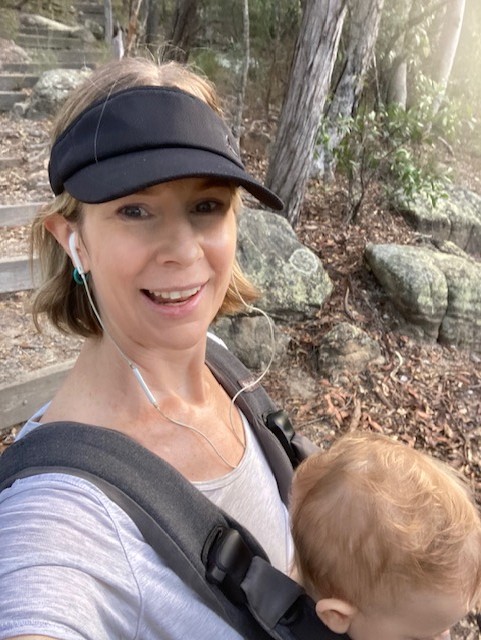
“I think it would have been extremely difficult to face the diagnosis and all the emotion around it if there wasn’t such incredible treatments available. I know this is thanks to the remarkable scientists and many brave patients that have participated in clinical trials.”
I began to squeeze my toddlers hand who was on my left side, I couldn’t control my left arm and then fell down. I first wondered if I was having a stroke. I went to the ED and had a brain CT.
Within two hours of me falling down in the street I was told I had a brain tumour which appeared to be a metastasis. Another secondary tumour was found in my left lower lung which was initially thought to be the primary. However, after undergoing surgery to remove the tumour in my brain, pathology revealed it was a melanoma.
It was a shock as I had been really sun-safe since having a melanoma in situ 10 years ago. The primary melanoma site still has not been found and it’s possible it was microscopic or was reabsorbed into my body before it could be detected and then spread.
“Knowing that healthy busy people with full lives can be silently carrying potentially lethal disease was such a huge wake-up call that melanoma does not discriminate. So, I have been incredibly open about whats happening for me as I don’t want others to put off seeing their doctor about any worrying or unusual symptoms.”
What have been some of the biggest challenges for you and your family since learning you had stage 4 melanoma?
Needing to stop work suddenly has been a big change financially and also time away from my kids while in hospital was a huge upheaval to our normal routine. It was hard to make sense of what was happening myself and then to try to support the kids with processing their experience was a lot to navigate.
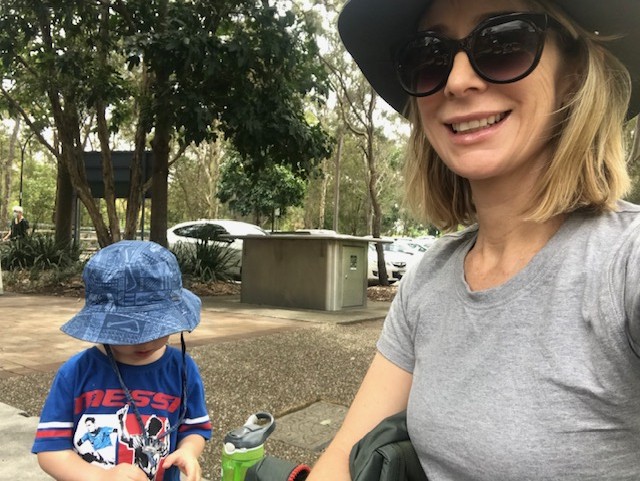
“I want people to know that melanoma can be deadly and affect every part of your body, but the earlier it is detected and treated, the less of an impact it is going to have on your life and the less disabling it will be. I really hope that by reading my story it might prompt others to get their skin checked”
As someone who works in healthcare and holds a Master of Public Health, has your professional background influenced the way you’ve approached your diagnosis?
I have firstly been amazed by the compassionate care that each and every one of the health care professionals I’ve met have provided. I see how busy they are and know how much of a toll it can take on you, working in a role supporting people at what is sometimes the worst time in their lives. But I have always felt listened to and genuine care from my team.
The public health lens has definitely prompted me to want to share my story with others, hoping someone might identify with my personal story and prompt a visit to the doctor rather than putting it off, which many of us do. Knowing that healthy busy people with full lives can be silently carrying potentially lethal disease was such a huge wake-up call that melanoma does not discriminate.
Whilst I cognitively understood that early detection can make such a difference, I also recognise the mechanism in all of us that leads us to delay getting medical care as it’s easy to fob it off. So I have been incredibly open about whats happening for me as I don’t want others to put off seeing their doctor about any worrying or unusual symptoms.
“I would like people to understand that melanoma can happen when you are young or old, no matter how fit and healthy you are, and that not all melanoma shows up as a brown spot on your skin.”
What message would you like Australians to hear about melanoma and early detection?
I want people to know that melanoma can be deadly and affect every part of your body, but the earlier it is detected and treated, the less of an impact it is going to have on your life and the less disabling it will be.
Why did you decide to share your story publicly?